
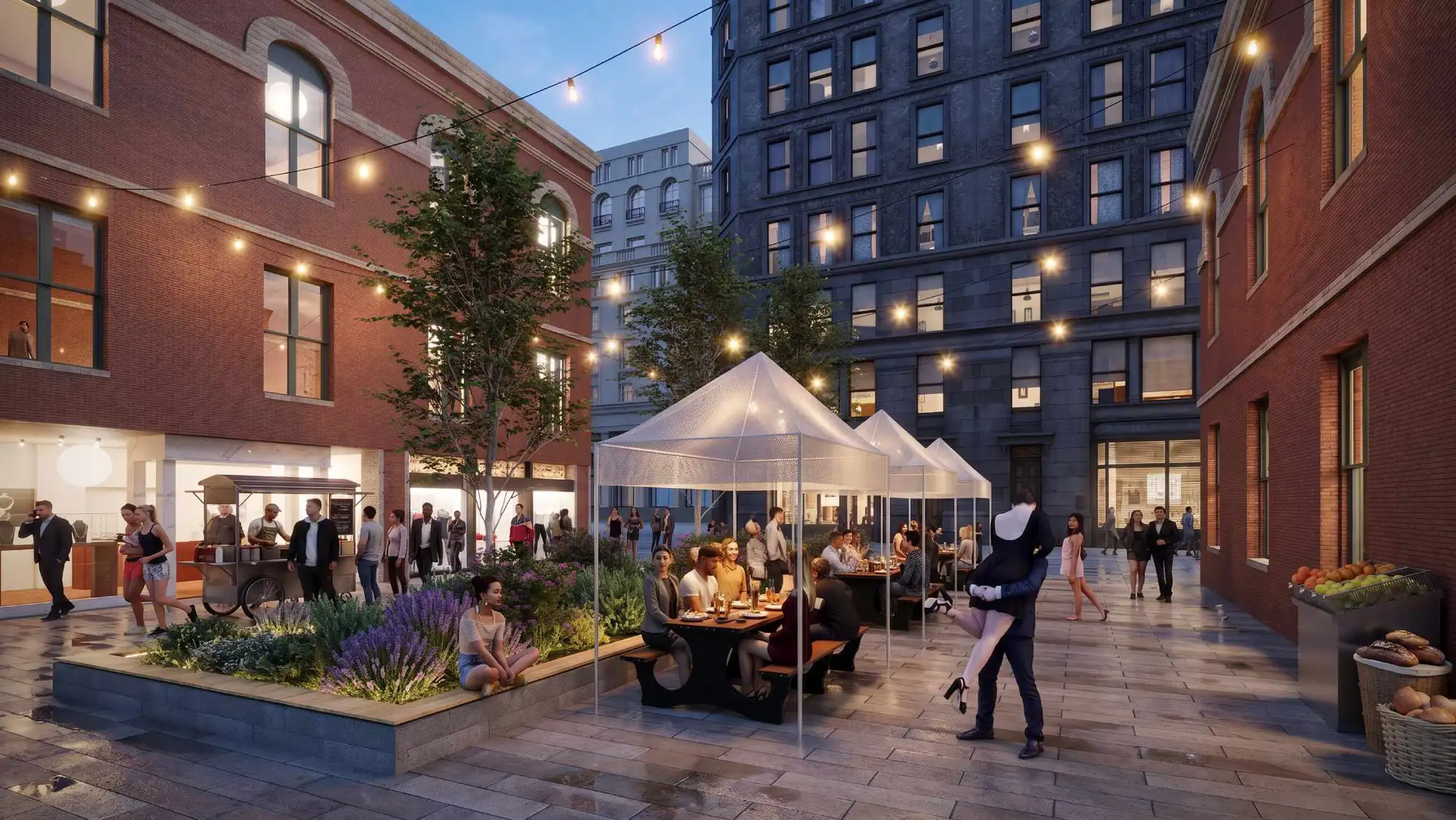
AI architectural visualization · 8 min read
AI Won’t Replace Your Visualization Artist — Here’s How Studios Use It Correctly
How The Render Café uses AI for denoise and polish—not fake façades. CAD-faithful stills, real deliverables, and what to ask before hiring “AI rendering.”
What AI actually does in a production studio
Clients ask us the same question every month: can AI just make the renders? Short answer—no, not if the images have to match your drawings. For a hypothetical 90-unit wrap building in a mountain West market, the architect might need entitlement stills that survive a staff zoom on mullions and parapet lines. A prompt-made façade would look fine at thumbnail size and fall apart the moment planning asked about glass type and setbacks.
At The Render Café, AI helps with polish after the 3D model is built from your CAD or BIM: denoising (cleaning render noise), upscaling for large crops, light entourage cleanup, and faster lighting tests. It does not invent floor plates, neighbor heights, or finish schedules. We model and light in 3ds Max with V-Ray or Corona; AI sits downstream under art direction.
Where AI saves time without rewriting the design
Once geometry is locked, AI-assisted refinement helps us show lighting options faster so design conversations move while the calendar still has room. That is presentation speed—not generating massing from a text prompt.
On larger kits—say a dozen portal and social crops—intelligent upscaling and cleanup cut repeat work without rebuilding every camera. Paired with real materials, you get volume without looking mass-produced. For why close-ups expose fake surfaces, read why material shortcuts fail under zoom.
When the calendar is tight, we still kick off next-day only after complete files arrive. AI does not replace a modeler; it shortens the polish pass inside a stack that already works.
What a responsible AI-assisted package includes
A package we would commonly recommend for entitlement and investor stills on a wrap building could include:
1. Three daylight exterior views calibrated to the drawings (street, oblique, courtyard).
2. One material close-up of the curtain wall and brick for the design review packet.
3. One dusk marketing hero for the investor update—same model, different lighting grade.
4. High-resolution exports plus web crops, with AI used only for denoise and upscale after we approve the frame.
Want a package scoped to your drawings?
Individual packages start at $1,000. Full kits are custom-quoted by view count and scope.
The production mistake we see most often
The production mistake we see most often: teams buy “AI rendering” that invents site context or softens height, then walk into a planning meeting where someone zooms the image and asks why the neighbor roof does not match the survey. Pretty lighting does not help if the geometry is wrong.
After 16 years in architectural visualization, our rule is blunt: if a vendor cannot show close-crop samples of glass, stone, and fabric that track your CAD, you are buying atmosphere, not assurance. We also refuse random style lotteries—filters that fight your brand book create more revisions than they save.
Price, turnaround, and what we will not automate
Cost still tracks model complexity, context, camera count, and lighting—not how many AI tools are named in a proposal. Individual rendering packages start at $1,000. Larger AI-assisted kits are custom-quoted by view count, material close-ups, lighting grades, and revision rounds. Turnaround shrinks when drawings, finishes, and cameras arrive complete; it stretches when someone expects a prompt to fix incomplete plans.
We will not let generative tools invent setbacks, floor heights, or neighbors. For jobs that also need motion, how we combine V-Ray stills with UE5 keeps AI in the same disciplined lane.
A short buying checklist
Ask who owns the 3D model. Ask whether every view tracks your CAD and finish schedule. Ask how revisions work when a curtain-wall detail changes mid-cycle. Ask for side-by-side close crops—not only full-frame beauty shots.
If answers are vague, walk. Then contact The Render Café at (619) 480 2800. We will tell you plainly where AI helps—and where only a modeler should touch the scene.
CAD-faithful stills, AI for polish
We use AI downstream of a real model—not to invent façades. Upload plans for a scoped quote from $1,000.
Related reading
8 min read
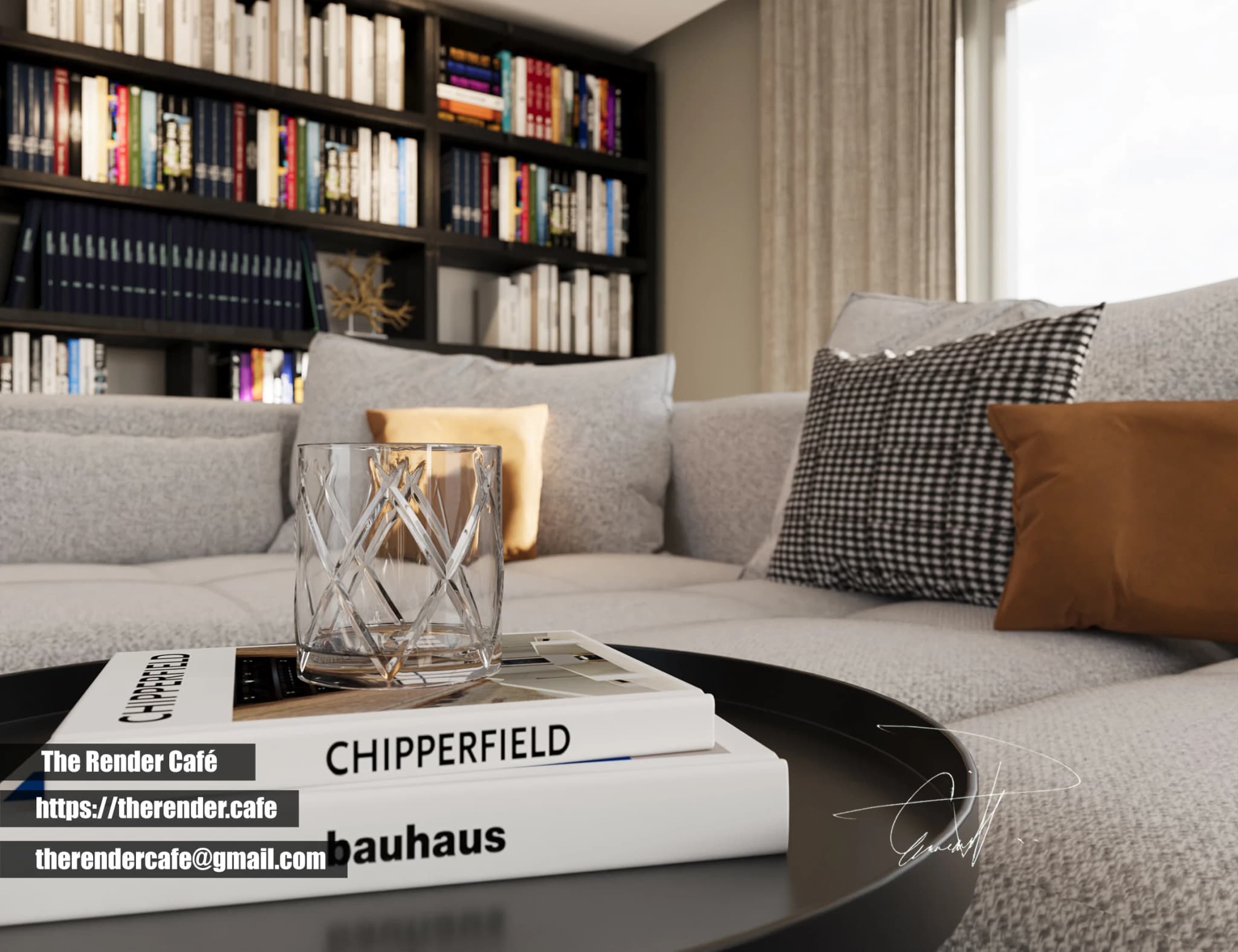
Avoiding Cheap AI Thumbnails: Material Accuracy That Survives Close-Ups
Why CAD-faithful photoreal materials beat cheap AI thumbnails—close-up QA, finish schedules, and how The Render Café protects material truth.
Read article →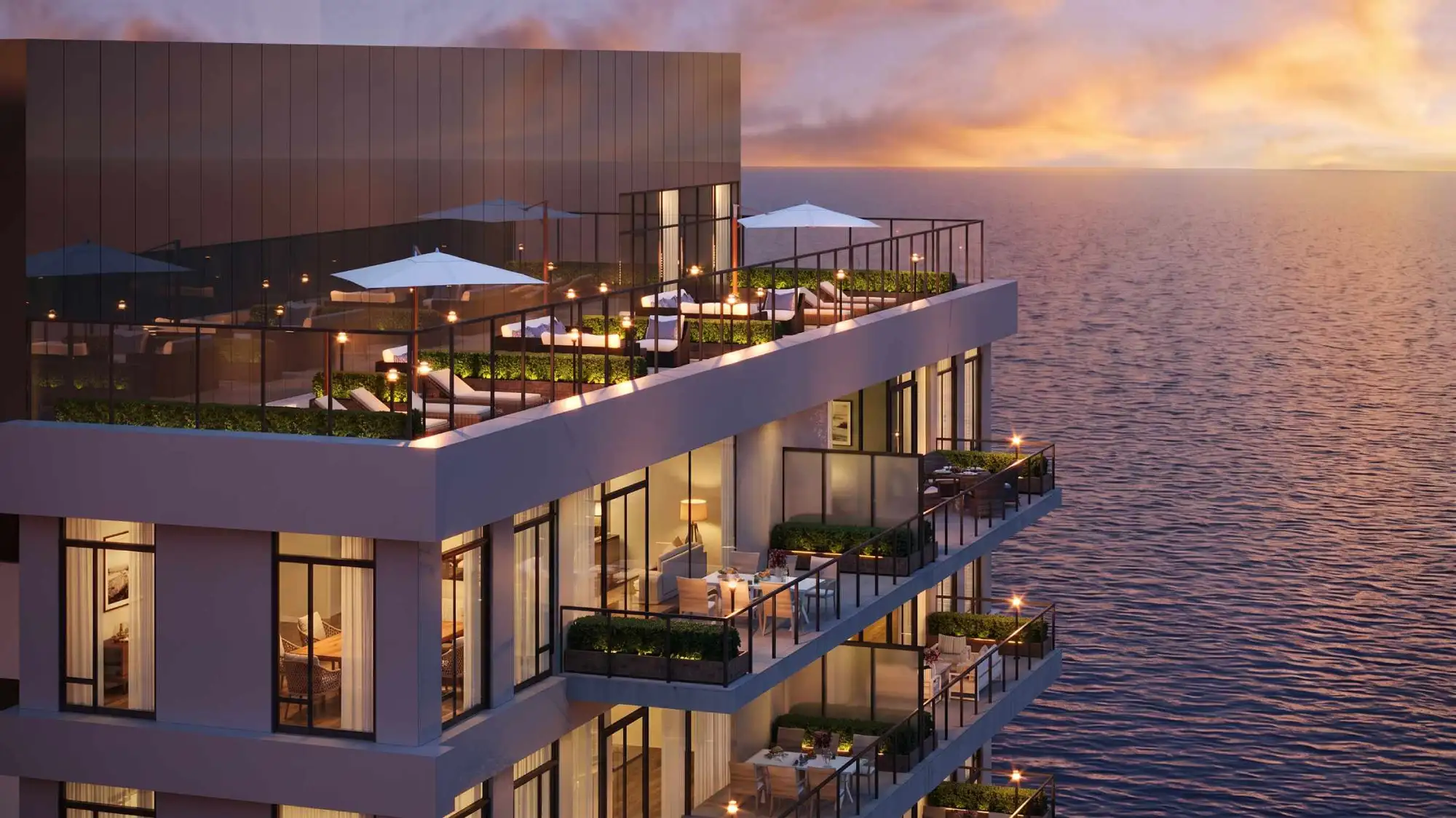
8 min read
Hybrid Rendering in 2026: Why Architects Need Both V-Ray and Unreal Engine 5
When to pair V-Ray stills with UE5 walkthroughs on multifamily and mixed-use jobs—deliverables, cost drivers, and how The Render Café scopes hybrid work.
Read article →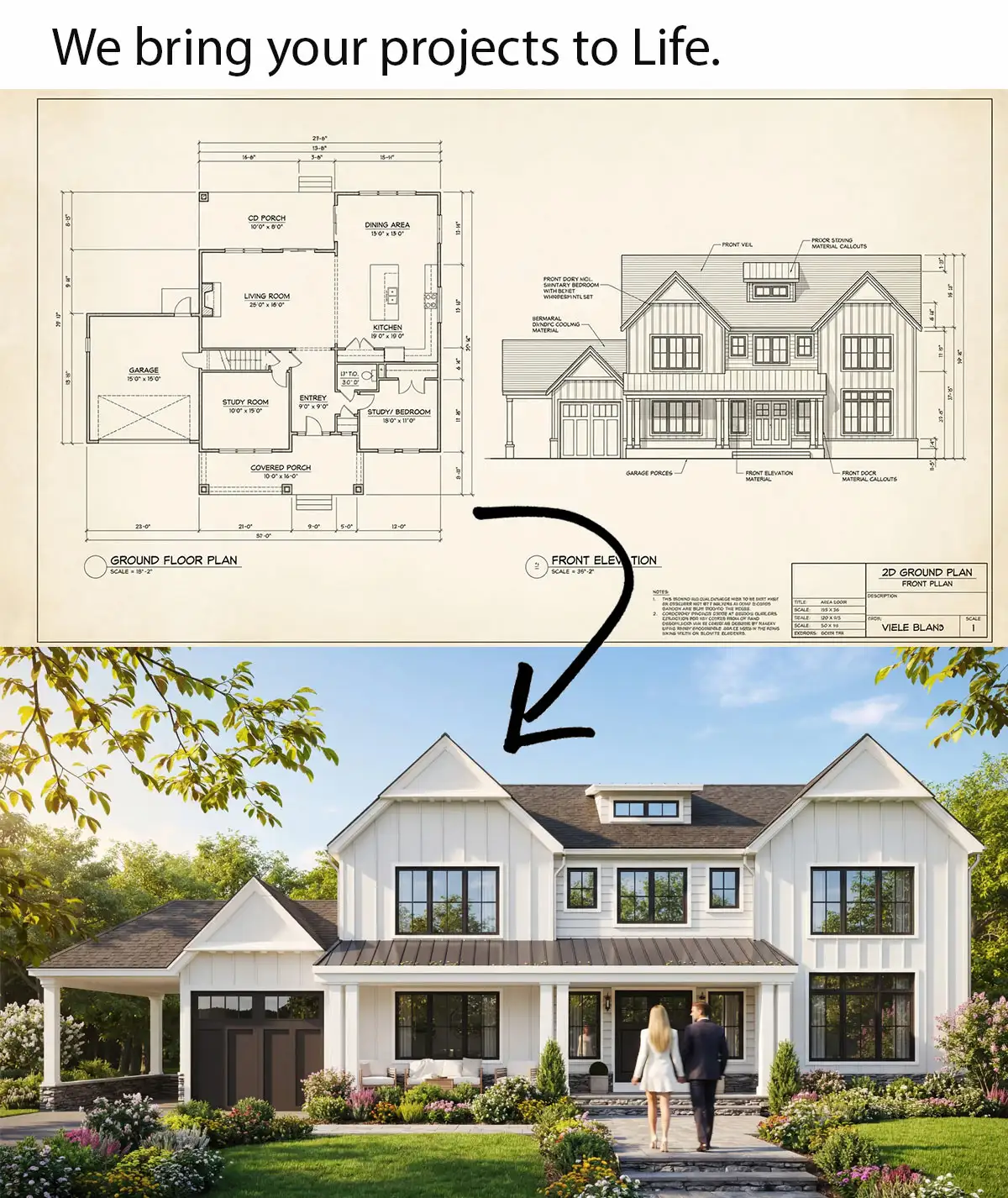
8 min read
From CAD to Photoreal: What Developers Should Send for a Faster Quote
What CAD and finish files to send so your architectural rendering quote is accurate—and how incomplete packages delay kickoff at The Render Café.
Read article →