
photoreal material accuracy rendering · 8 min read
Avoiding Cheap AI Thumbnails: Material Accuracy That Survives Close-Ups
Why CAD-faithful photoreal materials beat cheap AI thumbnails—close-up QA, finish schedules, and how The Render Café protects material truth.
When phone zoom exposes the finish
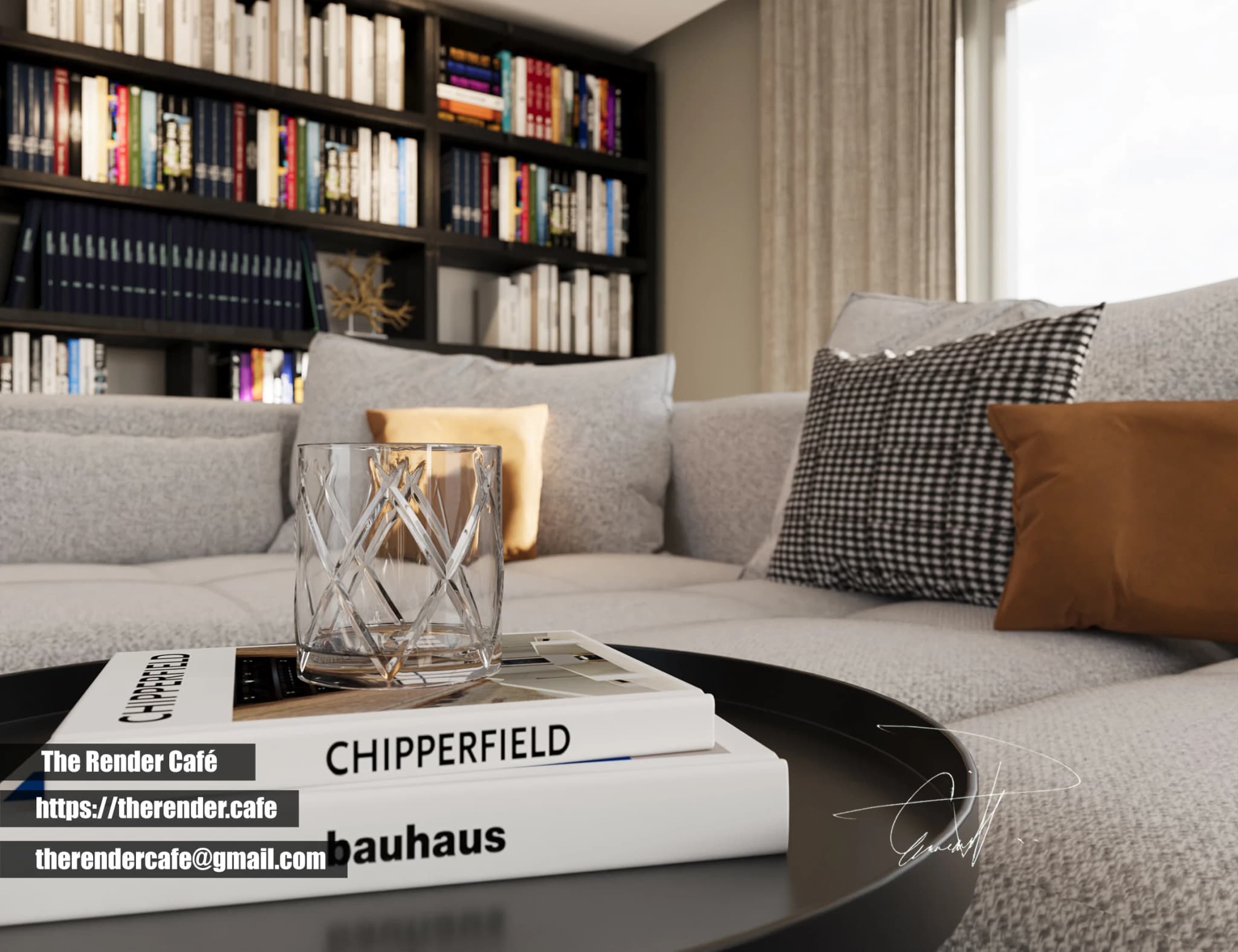
Last spring a developer forwarded us a bathroom hero that a prior vendor had generated in a hurry. On a laptop it looked fine. On a phone zoom, the marble tiling repeated every two feet, the brushed nickel read like plastic paint, and the grout lines did not match the tile size on the finish schedule. We rebuilt the materials from the callouts before the open house window closed.
Photoreal materials mean the reflectance, scale, and surface detail match what you specified—or what a manufacturer cut sheet shows. They are not the same as a soft, pretty AI still that averages internet aesthetics. When someone pinches in, the difference shows.
A package we would commonly recommend
For a hypothetical 48-unit boutique multifamily with custom lobby millwork and two bathroom finish packages, marketing often needs lifestyle stills while the architect also needs detail crops for the design-review packet so staff can see cladding and glazing honestly.
A package we would commonly recommend: four wide interiors, two façade stills, and three material close-ups—stone, metal, and fabric—at web and print resolutions. Filenames matched to the sheet index. One revision round after a marked-up PDF.
What cheap AI shortcuts usually break
Tiling that repeats unnaturally across stone or wood. Limestone that looks like plastic. Wood end-grain that glows. Glass that neither reflects nor transmits correctly. Soft edges that erase mullion logic. Fabric that reads as painted noise instead of pile.
Those tools optimize for a pleasing thumbnail. Your finish schedule and SKU list are not in the training set. For a moodboard sketch that is fine. For a hearing packet, a lender PDF, or a catalog crop next to a physical sample, it is not.
Want a package scoped to your drawings?
Individual packages start at $1,000. Full kits are custom-quoted by view count and scope.
The mistake we keep seeing
Clients approve a wide shot, then discover the problem when a fabricator or planning staffer asks for a close crop. By then the wrong image is already in the packet or the listing. Rebuilds cost more than scoping one detail frame up front.
After 16 years in architectural visualization, we have a simple filter: if a vendor cannot produce a credible close-up of the hero finish, treat the wide shot as atmosphere only. Do not bet a submittal on it.
How we protect material truth
We build shaders in V-Ray or Corona from your callouts, reference samples or manufacturer sheets when you send them, and art-direct close crops before finals leave. AI may help with denoising or resolution. It does not invent the façade module or the weave scale.
The same standard applies when furniture brands need catalog crops—see our notes on product and furniture rendering. For where generative tools stay useful as polish rather than invention, read how we use AI in architectural visualization.
What affects price and turnaround
Price and schedule move with how many unique materials need custom shaders, whether you have samples or only verbal callouts, how many detail crops you want, and how late finishes change after cameras are locked. Individual rendering packages start at $1,000. Material-heavy sets with dedicated close-ups are custom-quoted because close-up QA takes real time.
A clean brief—CAD, finish schedule, and which finishes must survive a zoom—keeps kickoff quick once files arrive. Vague moodboards alone slow everyone down.
Ask for the close-up on the next bid
Put at least one detail frame in scope when custom façades, millwork, or hero SKUs are the differentiator. Review material reads in our portfolio, then send your finish schedule or call (619) 480 2800. We will tell you which close-ups belong before the wrong thumbnail goes public.
Materials that survive a zoom
Detail crops and finish-true shaders for reviews that go beyond the thumbnail. Individual packages start at $1,000; material-heavy sets are custom-quoted.
Related reading
8 min read
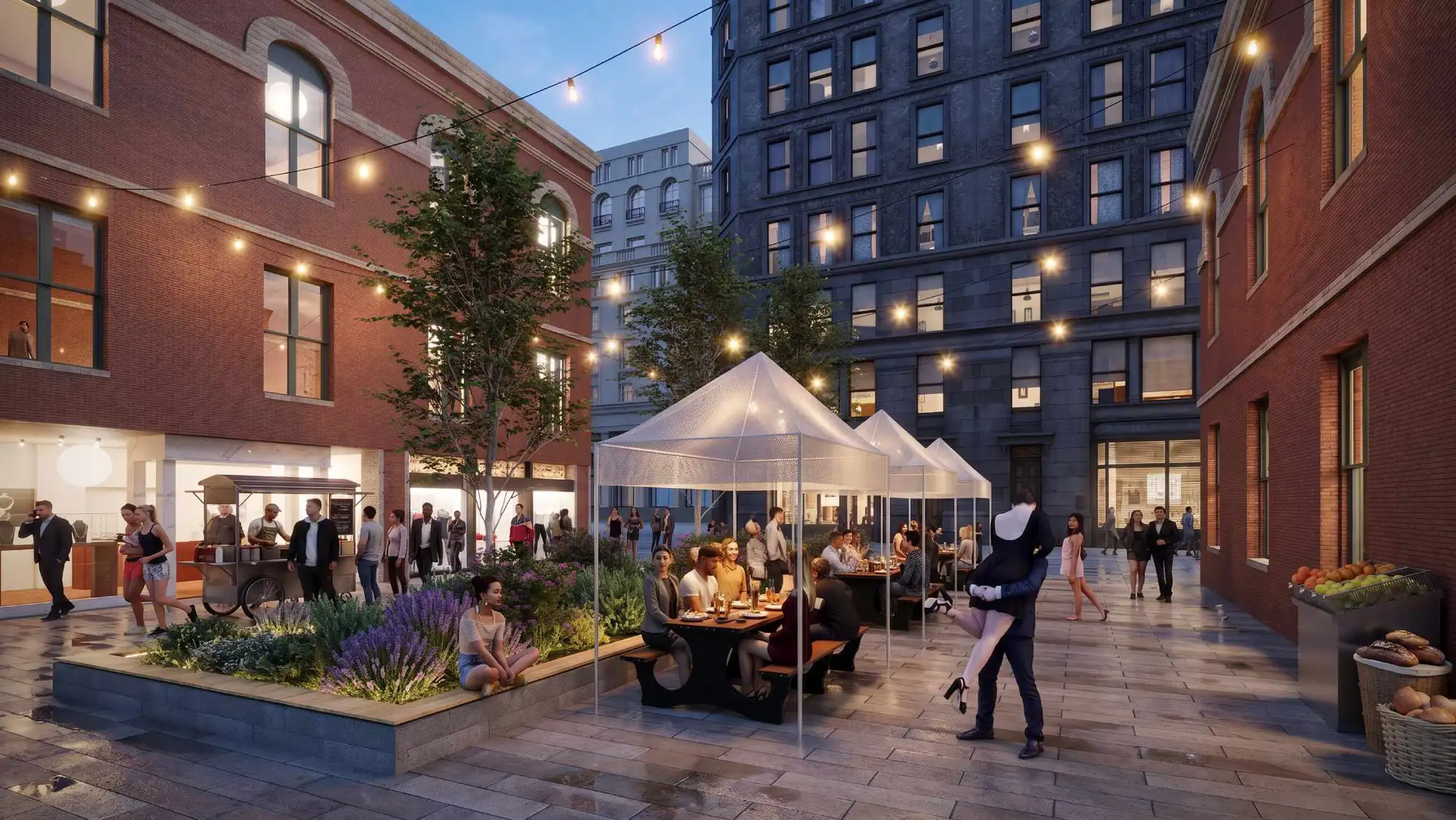
AI Won’t Replace Your Visualization Artist — Here’s How Studios Use It Correctly
How The Render Café uses AI for denoise and polish—not fake façades. CAD-faithful stills, real deliverables, and what to ask before hiring “AI rendering.”
Read article →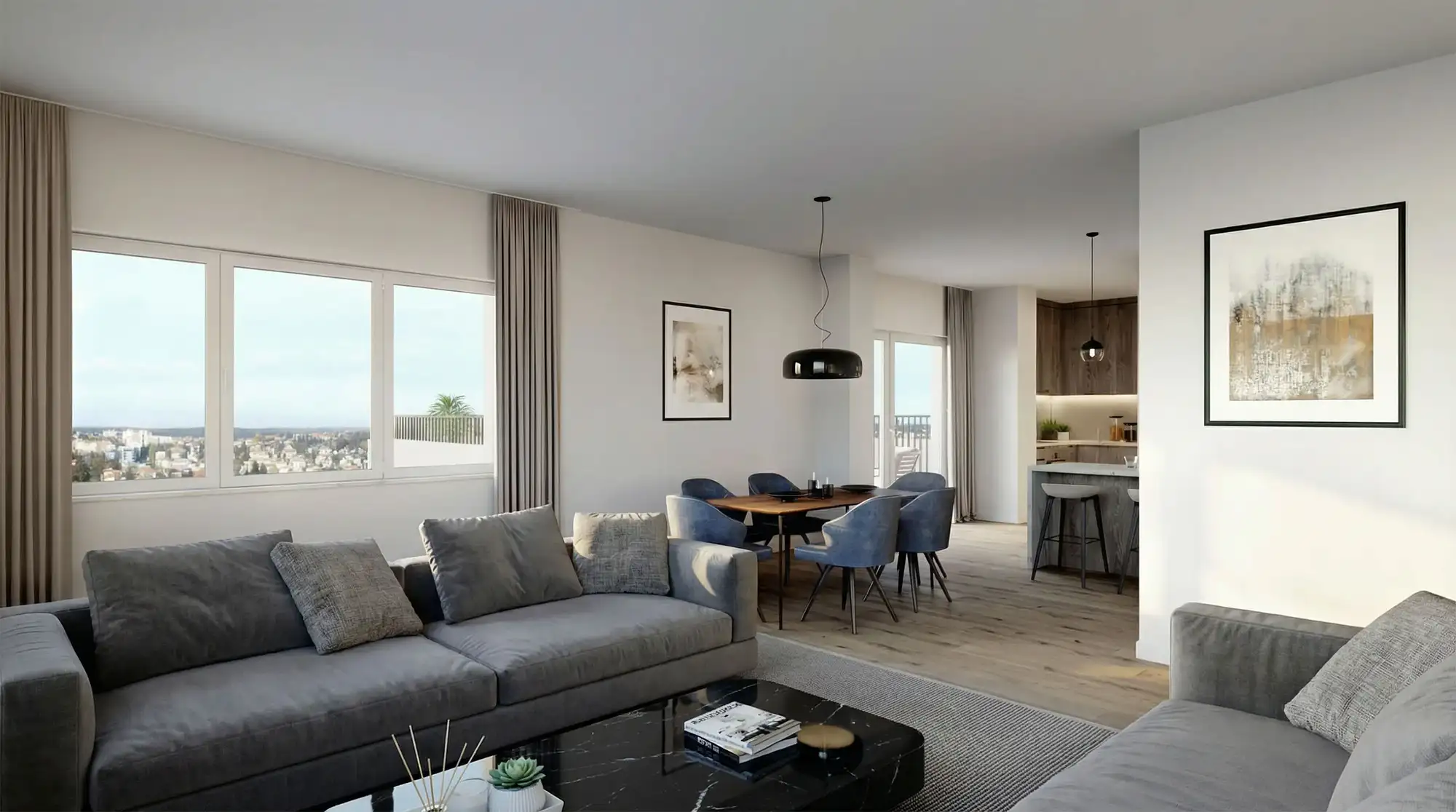
8 min read
Product and Furniture Visualization: High-End Catalog Renders Without Studio Overheads
Catalog-true furniture and product visualization with accurate materials—plus how the same craft supports architectural interiors at The Render Café.
Read article →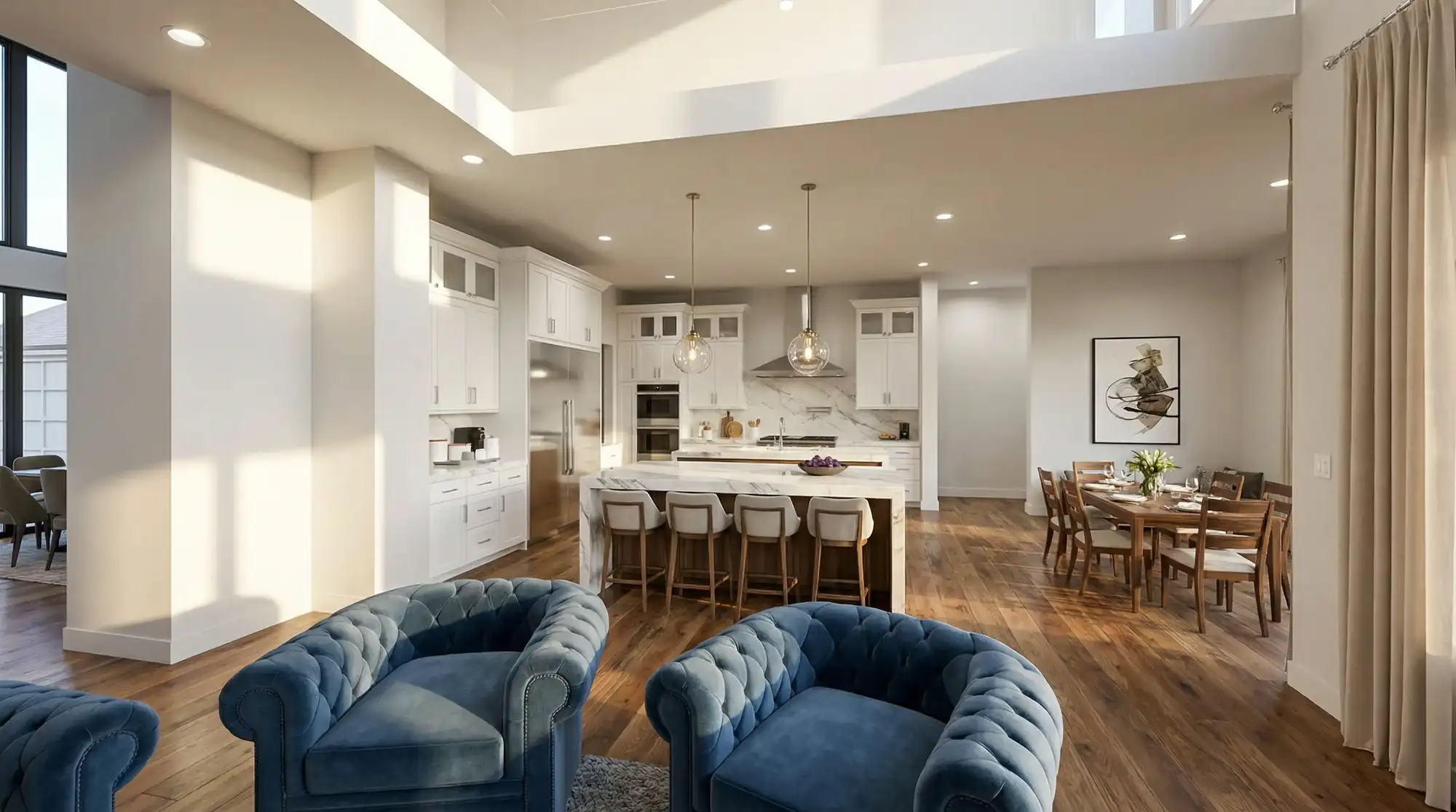
8 min read
Interior Lifestyle Rendering: Selling Units Before Construction Starts
Off-plan buyers need rooms they can picture before drywall. Learn how The Render Café stages honest lifestyle interiors for condo pre-sales.
Read article →