
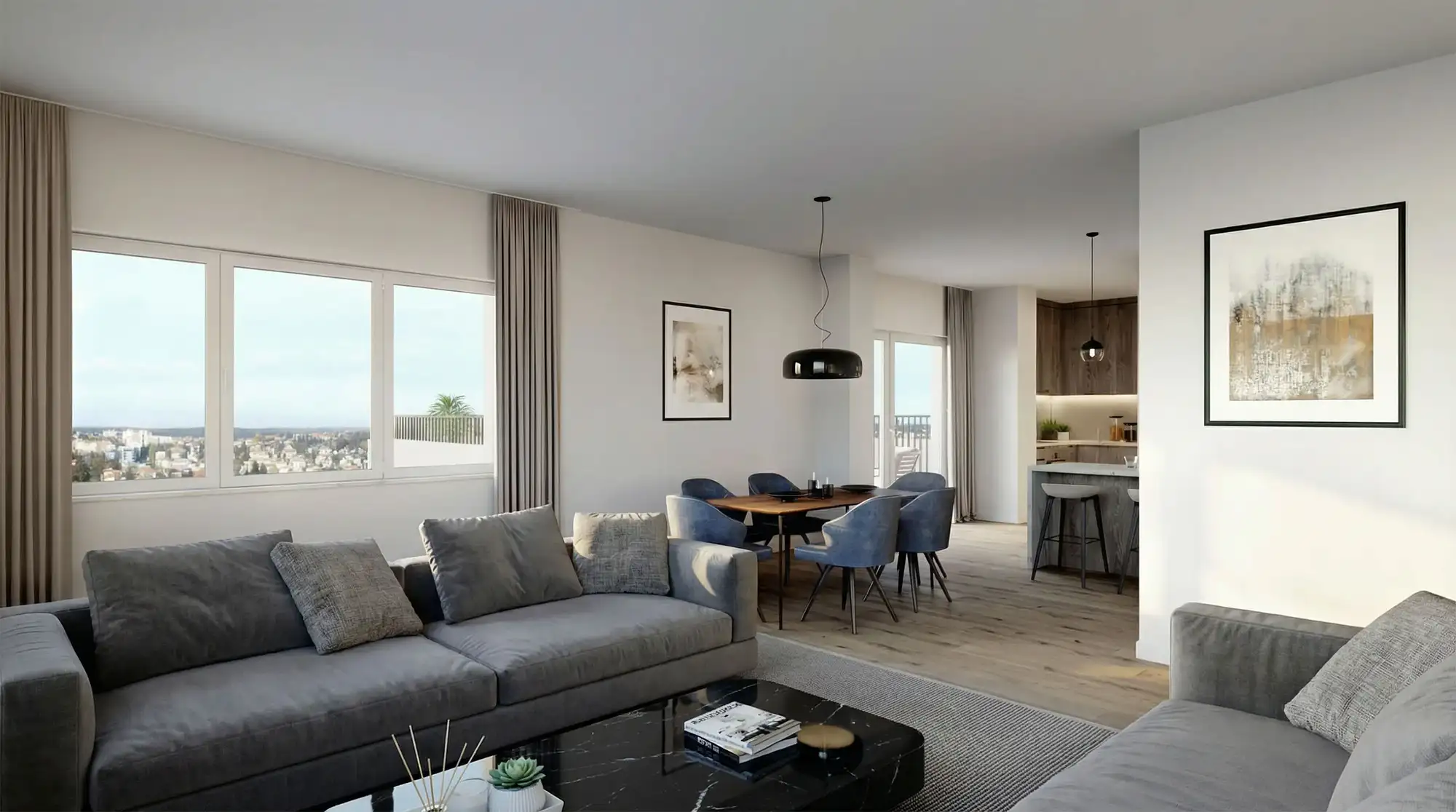
furniture 3D rendering · 8 min read
Product and Furniture Visualization: High-End Catalog Renders Without Studio Overheads
Catalog-true furniture and product visualization with accurate materials—plus how the same craft supports architectural interiors at The Render Café.
When a photo studio cannot keep up with SKUs
A furniture brand launching eight sofa fabrics, three leg finishes, and two depths cannot shoot every combination without burning the season. Architects approving custom millwork hit the same wall: clients want to see oak versus walnut before the purchase order goes out.
High-end 3D product rendering builds one accurate digital twin, then swaps finishes under controlled light. After sixteen years of architectural material work, we bring that same discipline to legs, stitches, and lacquer—grain scale, metal speculars, and fabric weave that hold up on a phone zoom.
Hypothetical sprint: dealer lookbook
For a hypothetical casegoods launch, a maker might need twelve hero shots and thirty-six finish variants for a dealer portal in six weeks. Physical photography covered the hero forms last year; this year they added a new stitch detail and two metal legs.
A package we would commonly recommend: rebuild or refine the hero models from CAD or measured drawings, lock a catalog lighting rig, then batch the finish matrix. Deliverables are web crops plus print-ready masters—not a folder of inconsistent AI mocks with invented seams. One approved hero camera becomes the template for the whole finish run.
Deliverables we usually scope
Typical product packages include:
• Hero product stills on seamless or lifestyle sets.• Finish/SKU variants from the same camera and light.• Detail crops: stitching, hardware, edge profiles.• Optional interior context frames when the piece must read in a room (kitchen island, lobby lounge).
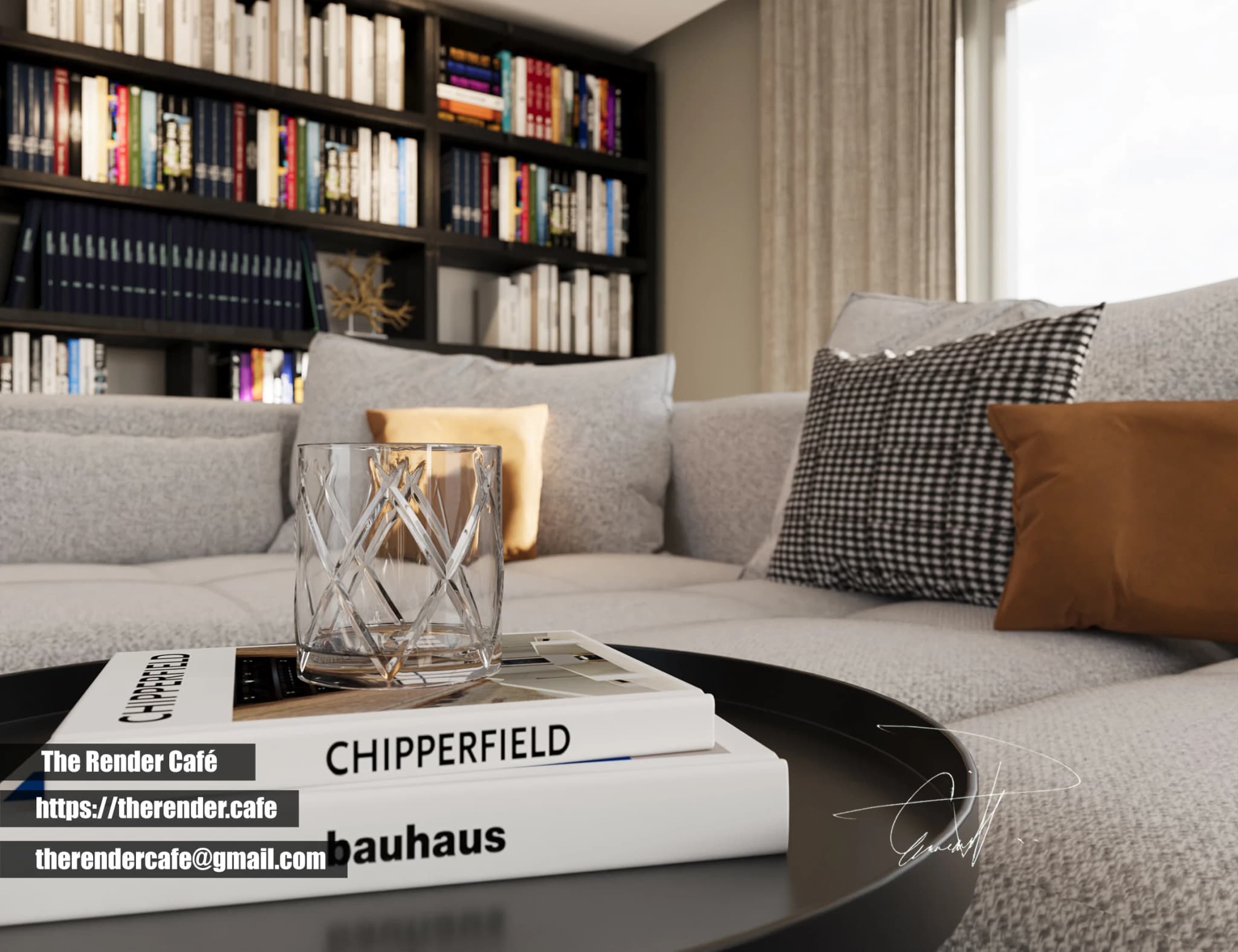
Material honesty matters as much here as on a facade. For the difference between craft and soft generative shortcuts, see why material accuracy beats AI thumbnails.
Want a package scoped to your drawings?
Individual packages start at $1,000. Full kits are custom-quoted by view count and scope.
The mistake that kills catalog trust
Teams approve a “pretty” CGI sofa with cushion edges that look inflated and wood grain that tiles every six inches. It looks fine as a thumbnail. On a retailer zoom, buyers notice—and so do dealers who know the real SKU.
Our stance: if your manufacturing cannot sew that seam or mill that edge, do not show it. Catalog CGI should reduce returns and sample fights, not create new ones. We would rather ask for a physical swatch than guess a fabric that does not exist.
What drives price and schedule
Cost scales with model complexity (tufting, mixed materials, transparent acrylic), number of unique cameras, and how many finish variants you need from each hero. Turnaround tightens when CAD or dimensioned drawings are clean and finish names match your ERP codes.
Rushing a thirty-SKU matrix without locked cameras means re-lighting thirty times. Lock the hero look first, then batch. Individual rendering packages start at $1,000; larger catalog matrices and custom scopes are quoted separately. Details live on our pricing page.
Architecture teams using the same pipeline for FF&E approval often pair product stills with room views from interior lifestyle rendering for pre-sales. That combo helps clients approve a piece and see it in the space it will occupy.
Start with one hero, not fifty prompts
Send CAD or dimensioned drawings, finish callouts, and two reference photos of the real piece if it exists. Or share your SKU list and launch date. We will tell you what a first hero plus variant batch costs before you commit the whole catalog—so marketing and manufacturing stay aligned.
Build one hero, then batch finishes
Catalog-true product and furniture stills with materials you can defend.
Related reading
8 min read
Avoiding Cheap AI Thumbnails: Material Accuracy That Survives Close-Ups
Why CAD-faithful photoreal materials beat cheap AI thumbnails—close-up QA, finish schedules, and how The Render Café protects material truth.
Read article →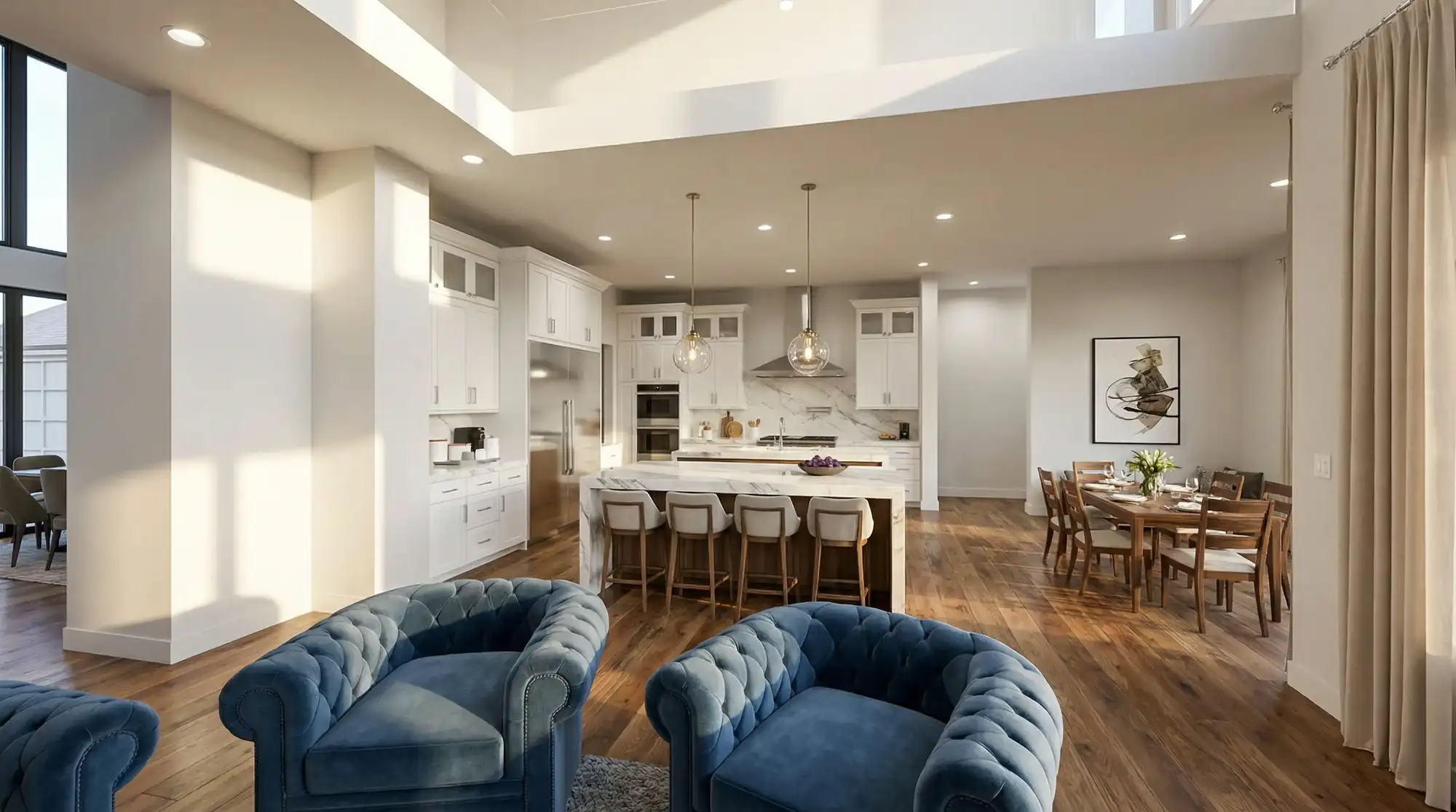
8 min read
Interior Lifestyle Rendering: Selling Units Before Construction Starts
Off-plan buyers need rooms they can picture before drywall. Learn how The Render Café stages honest lifestyle interiors for condo pre-sales.
Read article →
8 min read
AI Won’t Replace Your Visualization Artist — Here’s How Studios Use It Correctly
How The Render Café uses AI for denoise and polish—not fake façades. CAD-faithful stills, real deliverables, and what to ask before hiring “AI rendering.”
Read article →